Opening a new 24/7 franchise location presents an exciting growth opportunity, but round-the-clock operations introduce…
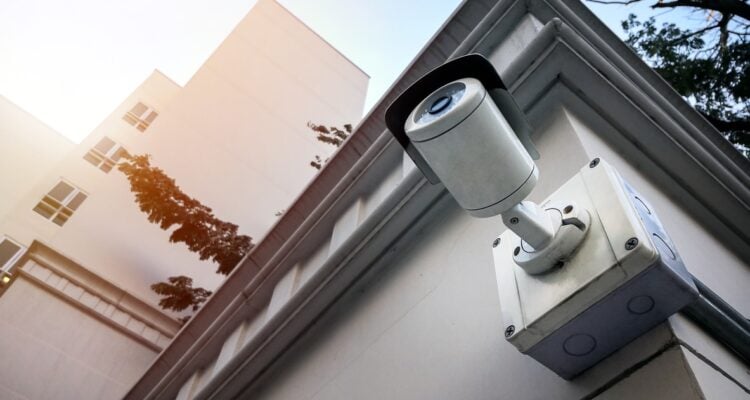
Securing Common Areas: A Property Manager’s Playbook for Garages, Gyms, and Courtyards
Shared spaces like multi-level parking garages, 24-hour fitness centers, and open-air courtyards are prime amenities that attract prospective residents to multi-family communities. However, these high-traffic environments also account for a significant portion of property damage, unauthorized access, resident safety complaints, and liability claims.
Implementing dedicated commercial security solutions allows property managers to safeguard residents, protect community assets, reduce administrative overhead, and maintain high lease retention rates across their portfolios.
Managing multi-family real estate requires balancing open, welcoming shared spaces with reliable security measures. Without proactive perimeter control, active commercial video surveillance, and clear electronic access credentials, common areas can quickly turn into major operational liabilities. This practical playbook outlines actionable strategies to secure your property’s highest-risk shared spaces while keeping daily living convenient and hassle-free for your residents.
How to Secure High-Risk Common Areas in Multi-Family Communities
Effective apartment security requires tailoring physical and digital security controls to the layout, lighting conditions, and specific entry patterns of each distinct space. A single security measure applied universally across an entire residential complex rarely delivers adequate protection.
1. Parking Garages and Covered Carports
Underground garages, multi-level structures, and covered carports present severe security vulnerabilities due to low natural lighting, multiple blind spots, and continuous vehicular movement. They are primary targets for vehicle break-ins, trespassing, loitering, and property destruction.
To protect residents and their vehicles, property managers should implement these physical and technical controls:
- Automated Perimeter Gates: Install high-speed vehicular overhead gates or heavy-duty barrier arms integrated with long-range RFID tag readers or keycard scanners.
- High-Lumen Continuous Lighting: Maintain continuous LED illumination across driving aisles, stairwells, and elevator lobbies to eliminate dark shadows and enhance video recording quality.
- Strategic Security Camera Placement: Position high-definition cameras directly at all vehicular entry and exit lanes, as well as along pedestrian thoroughfares, elevator banks, and trash enclosures.
- Anti-Tailgating Controls: Use rapid-closing gate timing sequences to prevent unauthorized vehicles from following closely behind an authorized resident’s car.
2. Fitness Centers and Indoor Amenity Rooms
Fitness facilities, clubhouses, game rooms, and shared laundry areas frequently operate outside of standard leasing office hours. Late-night accessibility combined with expensive exercise equipment makes these rooms prone to equipment theft, property damage, and unauthorized non-resident access.
Securing indoor amenities requires controlling entry points and keeping accurate, audited digital access records:
- Smart Access Credentials: Replace physical brass keys with smart key fobs, mobile app access, or biometric readers that record access logs and prevent unauthorized key duplication.
- Automated Access Schedules: Program electronic door locks to enforce facility hours automatically, securing doors during designated off-hours without requiring manual staff intervention.
- Visible Emergency Intercoms: Mount two-way emergency call stations or panic buttons connected directly to central monitoring services or security personnel.
- Posted Policy Signage: Display visible signage outlining guest restrictions, operating hours, and active video surveillance monitoring to set clear expectations.
3. Outdoor Courtyards, Pools, and BBQ Areas
Open-air amenities provide substantial community value, but they present unique perimeter challenges. Urban properties often face after-hours trespassing, while suburban communities frequently deal with non-resident visitors or pool rule violations.
Protecting open-air recreational spaces relies on structured physical barriers combined with environmental security design:
- Enclosed Perimeter Fencing: Install self-closing, self-latching perimeter gates fitted with electronic keycard or fob readers around pool decks and outdoor patios.
- Crime Prevention Through Environmental Design (CPTED): Trim hedges, trees, and dense foliage to maintain clear sightlines from residential windows and main pathways, eliminating hidden blind spots.
- Motion-Activated Floodlighting: Deploy smart, sensor-driven motion lighting along perimeter fence lines and unlit walkways to deter after-hours loitering.
- Automated Pool Gate Locks: Ensure pool access gates automatically lock outside allowable swimming hours to lower property manager liability and meet local municipal safety codes.
Physical vs. Digital Security Measures for Apartments
Building an effective security plan requires property managers to combine physical deterrents with modern digital oversight tools.
| Common Area | Primary Security Risk | Recommended Access Control | Ideal Surveillance Type |
| Parking Garage | Vehicle theft, break-ins, loitering | Long-range RFID / LPR gates | High-definition LPR & wide-angle cameras |
| Fitness Center | Equipment theft, tailgating, vandalism | Smart key fobs / Mobile app credentials | Low-light dome cameras with local recording |
| Courtyard & Pool | After-hours trespassing, liability | Electronic gate latch / Fob reader | Weatherproof infrared (IR) cameras |
| Stairwells & Halls | Loitering, unauthorized entry | Heavy-duty panic hardware & smart locks | Vandal-resistant corner-mount cameras |
Modern Security Technologies Transforming Common Area Protection
Advancements in commercial security technology have made protecting shared residential spaces more efficient and reliable. Incorporating smart systems allows property managers to maintain complete site control without imposing restrictive friction on daily resident living.
Video Analytics and Active Alarm Verification
Modern security cameras do far more than passively record footage for post-incident review. Systems equipped with video analytics can automatically distinguish between humans, vehicles, and stray animals, instantly detecting suspicious activity in restricted areas after hours.
When paired with video alarm verification, security monitoring operators can view real-time video evidence of an intrusion as it occurs. This verification drastically reduces false alarms, allows central stations to confirm genuine security threats, and helps facilitate priority dispatch from local law enforcement agency personnel.
Unified Cloud Access Control and Management
Managing access keys for hundreds of residents across multiple common area entry points can quickly overwhelm leasing teams. Web-hosted access control platforms allow property managers to update access privileges, issue mobile credentials, and revoke lost key fobs instantly from a computer or mobile app.
Integrating your access control system with video cameras and commercial fire alarm systems creates a single, streamlined management interface. If a door is forced open or an emergency fire alarm triggers, connected security cameras can immediately bring up relevant video feeds, providing instant site visibility during emergencies.
Dual-Path Alarm Monitoring and Battery Backups
Power outages and internet disruptions should never compromise community safety. Commercial burglar alarms and monitoring platforms rely on supervised, dual-path communication technology, utilizing both cellular and IP networks, to ensure alarm signals reach monitoring centers instantly.
Pairing dual-path reporting with battery backup power keeps entry doors locked, gates functional, and intrusion sensors active even during extended municipal power failures or internet service outages.
Practical Best Practices for Property Management Implementation
Deploying high-quality security hardware is only half the battle. Long-term community safety relies on continuous operational oversight, maintenance routines, and clear communication with your resident population.
Conduct Quarterly Property Security Audits
Schedule routine quarterly walk-throughs during both day and night hours. Verify that all camera lenses are clean and unobstructed, inspect gate hinges and latches, test emergency intercom lines, and evaluate overall lighting levels across dark corridors and stairwells.
Engage Trained On-Site or Mobile Security Patrols
While technical access controls and video cameras continuously monitor activity, visible security personnel provide an active human deterrent that technology alone cannot duplicate. Patrol officers can conduct randomized floor sweeps, lock down amenity doors at closing time, and address real-time resident noise or safety complaints.
Establish Clear Resident Security Policies
Resident cooperation is essential for maintaining community safety. Communicate clear guidelines regarding guest privileges, educate tenants on the dangers of holding gates open for unknown individuals, and provide convenient, direct methods for residents to report suspicious behavior or broken security hardware.
Frequently Asked Questions
Why Is Access Control Essential For Apartment Common Areas?
Access control prevents unauthorized non-residents from entering shared facilities, limits equipment damage, and generates digital access logs. In the event of property damage or safety incidents, these audited access trails allow management to quickly review who entered specific facilities and at what exact time.
How Does Strong Common Area Security Affect Tenant Retention?
Safety is consistently ranked as a top priority for residential tenants evaluating lease renewals. Visible, well-maintained security systems, bright lighting, and controlled access points reassure residents that their personal well-being and property are protected, directly driving higher tenant satisfaction and retention rates.
What Is The First Step Toward Upgrading Multi-Family Property Security?
The initial step is conducting a thorough site security assessment. This evaluation pinpoints vulnerable perimeter entries, unlit corridors, broken hardware, and blind spots across your parking structures, common amenities, and outdoor grounds.
Can Access Control Systems Integrate With Property Management Software?
Yes, modern electronic access control systems frequently integrate with leasing and property management software platforms. This allows leasing staff to automatically grant or revoke common area access credentials when tenants sign leases or move out, eliminating manual administrative steps.
Secure Your Multi-Family Community Today
Safeguarding shared residential spaces protects your residents, minimizes property damage, and lowers management liability. Implementing targeted access control, active video surveillance, and structured safety protocols turns common amenities into secure, high-value selling points for your property. Contact the team at US Protective Services today to schedule a free security assessment and explore customized commercial security solutions for your multi-family properties.

Related Posts