It’s crucial that you consider your home's security because it contains the things that are…
Appliances That Can Cause Carbon Monoxide Leaks (+ More CO FAQs)
Carbon monoxide (CO) is nicknamed “the silent killer” because it is odorless, colorless, and tasteless. Carbon monoxide poisoning may come from vehicles and appliances that leak carbon monoxide.
The sad, but movie-horror classic way of committing suicide is letting a car run in a closed garage with the exhaust pipe connected to a tube bringing the exhaust back into the vehicle. Worse than this, others died by falling asleep with their car running, when it had a faulty exhaust system. They died before noticing any carbon monoxide symptoms from carbon monoxide poisoning.
The dangers of carbon monoxide in homes and poisoning from a carbon monoxide leak cannot be overstated. A common problem is carbon monoxide from gas appliances.
Many common household appliances can be silent, deadly, CO threats—are you protected?
If the instructions for any appliance say something like “CAUTION: Only use in a well-ventilated area,” take the warning seriously, for these are dangerous home carbon monoxide sources. For example, some people who ignored these warnings died from CO poisoning by wrongly using a camping stove to cook indoors.
Moreover, many appliances appear harmless and are not dangerous when in perfect working order and used correctly. However, you must be careful of carbon monoxide from household appliances and appliances that leak CO. This is why a carbon monoxide detector is highly recommended.
Top 25 Appliances That Can Leak Carbon Monoxide
The United States Consumer Product Safety Commission reports that many people die each year from non-auto-related CO poisoning, making a good case for having a home CO monitoring system.
Here is a list of the top 25 categories (in order of danger) for household appliances you need to be careful with when using them to guard against the dangers of CO poisoning:
- Gas furnaces

- Gas water heaters
- Gas ranges and ovens
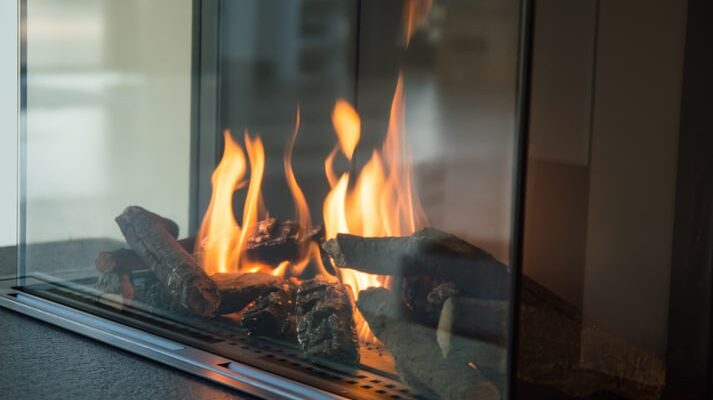
- Gas fireplaces
- Wood-burning fireplaces
- Portable generators
- Kerosene heaters
- Gas-powered space heaters
- Charcoal grills (used indoors)
- Gas barbecues
- Propane refrigerators
- Natural-gas-powered clothes dryers
- Propane or natural-gas-powered stoves
- Gasoline-powered lawn mowers (running in garages)
- Snowblowers (running in enclosed sheds)
- Gasoline-powered chainsaws
- Gasoline-powered pressure washers
- Propane lanterns
- Gas pool heaters
- Gas-powered concrete saws
- Equipment powered by propane
- Gasoline-powered boats or jet skis
- Indoor patio heaters that use propane or natural gas
- Portable camping stoves
- Gasoline-powered tools
You may be in danger and not know it, such as when your gas furnace is malfunctioning or a room heater is not ventilated properly.
Carbon Monoxide Monitoring Service Near Me
If you have a home in the Cleveland area and are thinking about installing a carbon monoxide detector, U.S. Protective Services in Cleveland, Ohio, offers CO monitoring and alert systems to protect your family from the hazards of carbon monoxide leaks.
The experts recommend a professional CO detection service that will assist you in identifying what causes carbon monoxide in a house, give CO detector placement tips, and then install solutions for preventing carbon monoxide poisoning at home.
To protect your family, knowing where to place carbon monoxide detectors, having a carbon monoxide detector system, and installing a carbon monoxide alarm should be on your home security checklist.
Is CO the same as CO2?
Carbon monoxide (CO) and carbon dioxide (CO2) may sound similar; however, they are quite different.
Both CO and CO2 are odorless, colorless, and tasteless. Both can kill you in sufficient concentrations, but CO2 is far less dangerous than CO.
CO is an unwanted byproduct of incomplete combustion. The concentration of CO needed to kill a person is about 400 parts per million (ppm).
CO2 is made naturally when we exhale and is part of the normal exhalation of breathing. In normal concentrations, it is not dangerous. Excessive CO2 exposure may become a problem when the concentrations are too high, creating indoor-air-quality issues due to a lack of ventilation. People who experience this effect may feel sick, nauseous, tired, and have headaches when they are not getting a sufficient level of oxygen they need.
For CO2 to be deadly, the concentration must be around 2,000 to 6,000 ppm or more, which is many times higher than the fatal CO levels of only 400 ppm. These higher concentrations required for CO2 to be deadly mean it replaces more oxygen available for breathing.
Unlike CO poisoning, toxic levels of CO2 cause respiratory distress (coughing and choking) before death occurs. Not being able to breathe properly will warn you that something is wrong.
In comparison, although CO exposure can cause shortness of breath, most CO poisoning comes from unnoticed exposure, where the symptoms include mental confusion, loss of muscular coordination, loss of consciousness, and death. There may not be enough warning for CO poisoning because the person does not realize what is happening to them.
FAQs – Carbon Monoxide Safety Tips
Here are some common questions and answers about carbon monoxide.
Q: How do carbon monoxide leaks happen?
Answer: The common causes of carbon monoxide leaks are poor ventilation, lack of maintenance, aging appliances, blocked chimneys or flues, and not-up-to-code DIY installations.
Q: How do you prevent carbon monoxide poisoning?
Answer: The best practices to prevent carbon monoxide poisoning are to perform regularly scheduled maintenance on appliances and systems that present a risk. Use CO detectors on each floor and every area that may collect the invisible gas. Install proper ventilation systems and never use outdoor appliances indoors. Use professional installation services. Have a 24/7 CO monitoring system.
Q: What are the benefits of the U.S. Protective Services CO monitoring service?
Answer: The benefits include professional installation, 24/7 monitoring, real-time alerts sent to your smartphone, and the peace of mind that comes with knowing your family is protected.
Know You Understand the Difference
Now that you understand the danger and sources of CO poisoning, this should motivate you to install CO detectors and have the support of U.S. Protective Services watching over your home security day and night.
Protect your family—contact us for professional CO monitoring today.

Related Posts