When commercial facility managers, security integrators, and business owners evaluate life safety systems, one critical…
Hardening the Perimeter: Advanced Access Control for Commercial & Warehouse Facilities
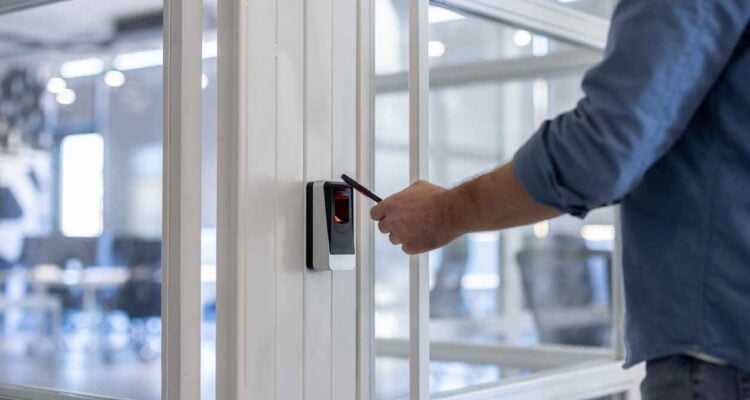
Modern commercial properties, logistics hubs, and distribution facilities need to balance security with efficient daily operations. With employees, contractors, deliveries, visitors, and valuable assets moving throughout a property, businesses need a reliable way to manage who can access specific areas.
Traditional locks and unmanaged entry points can make it difficult to maintain consistent control across a busy facility. Public Utility Security Systems provide a more centralized way to manage entry while integrating with other security technologies.
By combining access control with cameras, security systems, and other compatible technologies, businesses can create a more coordinated approach to protecting their facilities while keeping operations running smoothly.
Why Commercial & Logistics Facilities Need Modern Access Control
The Risks of Uncontrolled Access
Warehouses and distribution facilities often contain valuable inventory, equipment, vehicles, and restricted operational areas. When entry points are not properly managed, unauthorized individuals may gain access to areas where they should not be.
Commercial access control provides businesses with a structured way to determine who can enter specific areas of a facility while making security management easier for administrators.
Real-World Operational Challenges
Commercial and industrial facilities may need to manage several types of access at the same time:
- Frequent Vehicle and Visitor Traffic: Employees, contractors, delivery personnel, and visitors may require different levels of access.
- Multiple Restricted Areas: Different entrances, storage areas, offices, and operational zones may require separate access permissions.
- Changing Access Requirements: Employee departures, new contractors, and operational changes can require access permissions to be updated.
- Remote Management Needs: Managers may need the ability to oversee or update their security systems even when they are away from the facility.
Why Integrated Security Matters for Warehouse Operations
Warehouses and distribution facilities often rely on several security systems at the same time, including access control, cameras, burglar alarms, fire systems, and monitoring. When these systems operate independently, managing security can become more complicated, particularly across larger properties with multiple entrances and restricted areas.
Integrated security brings these technologies together so facility managers can oversee different aspects of protection through a more coordinated system. U.S. Protective Services offers access control solutions that can integrate with cameras, security systems, and fire systems, helping businesses simplify security management while improving visibility across the property.
For warehouses, this can be particularly useful when different areas require different levels of oversight. Entrances, storage areas, offices, and other restricted zones may each have different security requirements. Combining access control with monitoring and video technologies can help businesses create a security setup that better reflects how the facility actually operates.
A Layered Security Approach for Commercial Sites
Rather than relying on one security measure, commercial facilities can combine access control with cameras, alarm systems, fire systems, and monitoring technologies to create a more coordinated security environment.
Layer 1: Perimeter & Entry Access Control
Access control systems can help businesses manage who is authorized to enter designated areas of a property. For warehouse and logistics environments, this can include controlling access to facility entrances, restricted operational areas, and other secured zones.
Layer 2: Building & Restricted Area Security
Access permissions can also be used to control entry into specific areas inside a facility. Businesses can determine which employees, contractors, or other authorized personnel should have access to particular locations.
Layer 3: Integrated Security Systems
Access control becomes more powerful when connected with other security technologies. Modern systems can integrate access control with cameras, security systems, and fire systems, allowing businesses to manage multiple aspects of facility protection together.
Layer 4: Remote Management & Monitoring
Remote access allows authorized administrators to manage and update their security systems without always being physically present at the property. Combined with monitoring and video technologies, this can provide greater visibility across commercial facilities.
Key Access Control Technologies & Capabilities
1. Gate Access Control & Entry Management
Modern access control systems can help businesses manage vehicle and personnel entry at perimeter gates, entrances, and other restricted access points.
- Controlled Entry: Limit access to authorized employees, contractors, drivers, and visitors.
- Remote Management: Update and manage access through a centralized platform.
- Security Integration: Connect access control with cameras, alarms, and other compatible security technologies.
2. Cloud-Based Access Management
Cloud-based access control can make it easier to manage entry across different areas of a commercial or warehouse facility from a centralized platform.
- Remote Access Management: Manage and update access remotely through a web-hosted or cloud-based system.
- Flexible Access Permissions: Control who is permitted to enter different areas of the facility.
- Centralized Management: Bring compatible access control and security technologies together for simpler system administration.
3. Video Analytics & Remote Monitoring
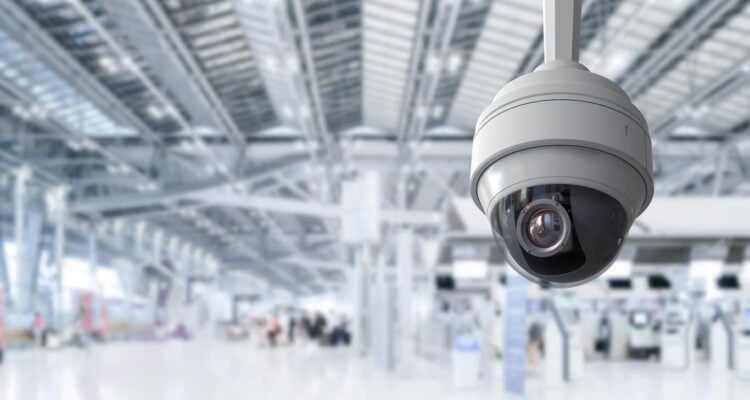
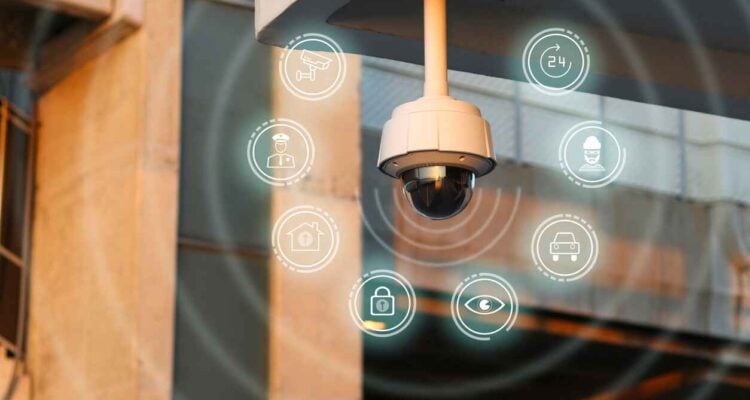
Video technology can add another layer of visibility to a commercial security system. U.S. Protective Services offers video analytics and interactive security capabilities designed to help businesses monitor activity and respond more effectively.
Features can include real-time alerts, remote site management, object tracking, virtual guard tours, and remote intervention.
4. Integrated Alarm & Security Monitoring
Access control can operate alongside commercial alarm and monitoring systems to provide broader protection for a facility.
Businesses can combine access management with security cameras, burglar alarms, monitoring, and other compatible systems rather than managing each security component separately.
Best Practices for Upgrading Your Facility Access System
Implementing or upgrading commercial access control starts with understanding how the property operates and where additional security may be needed.
- Assess Your Facility: Review entrances, restricted areas, security vulnerabilities, and how employees, visitors, and contractors move through the property.
- Integrate Access Control With Other Security Systems: Connecting access control with compatible cameras, security systems, and fire systems can provide more centralized security management.
- Define Access Permissions: Determine which employees, contractors, visitors, or other users should be permitted to access specific areas.
- Consider Remote Management: Choose a system that allows appropriate administrators to manage and update security remotely when needed.
- Work With Experienced Security Professionals: A professional security assessment can help determine which combination of access control, cameras, monitoring, and other technologies is appropriate for the property.
Start With a Professional Security Assessment
Every commercial facility has different access points, operating hours, traffic patterns, and security risks. For that reason, upgrading an access control system should begin with an assessment of the property rather than choosing equipment first.
A professional security assessment can help identify areas that may require stronger access management, additional monitoring, or better integration between existing systems. This may include reviewing entrances, restricted areas, security cameras, alarm systems, and how employees, contractors, and visitors move throughout the property.
U.S. Protective Services designs, installs, and maintains commercial security and integrated access control systems based on each property’s specific requirements. The company also provides a free on-site or virtual security assessment to help determine the right combination of access control, monitoring, cameras, and other security technologies for your facility.
Contact our team to schedule your free security assessment and take the next step toward better access management and facility protection.
Frequently Asked Questions
Can Access Control Integrate With Existing Security Cameras?
Yes. U.S. Protective Services offers access control solutions that can integrate with cameras and other security systems. Combining these technologies gives businesses a more centralized way to manage facility security.
Can I Manage My Access Control System Remotely?
Yes. Modern access control solutions offered by U.S. Protective Services include remote cloud access, allowing authorized users to make updates and manage their systems remotely.
Can Access Control Be Combined With Other Commercial Security Systems?
Yes. Access control can be integrated with cameras, security systems, and fire systems. U.S. Protective Services also provides commercial alarm monitoring, video analytics, burglar alarms, and other security solutions that can form part of a broader commercial security system.

Related Posts