When commercial facility managers, security integrators, and business owners evaluate life safety systems, one critical…
What Security Integrators Must Know About UL 827 Standards & Redundancy
If you design, install, or manage commercial physical security systems, an alarm is only as reliable as the response behind it. You can spec high-resolution IP cameras, responsive access control panels, and sophisticated fire sensors. However, if an incoming signal drops during a local network outage, the entire system fails when your commercial client needs it most.y
Understanding how UL 827 alarm monitoring standards govern fail-safe operations is vital for security system integrators. UL 827 provides the essential framework for physical, electrical, and network redundancy across off-site command centers. By partnering with a fully compliant monitoring provider, you protect your clients, satisfy local authorities, and build a resilient reputation across your service footprint.
Learn what UL 827 compliance requires, how system redundancy operates behind the scenes, and what key technical details to evaluate when selecting a wholesale central station partner.
What Is UL 827 and How Does It Protect Monitoring Facilities?
Underwriters Laboratories (UL) establishes safety and operational standards across many technical industries. Specifically, UL 827 governs Central-Station Alarm Services. While system installation standards like NFPA 72 dictate how hardware connects inside a facility, UL 827 sets strict rules for how the off-site facility receiving those signals must be constructed, secured, and operated.
Think of UL 827 as the structural and operational building code for emergency response command centers. It mandates comprehensive safeguards across physical facility defense, continuous power generation, telecommunications, and operator staffing levels.
To maintain a certified UL 827 listing, a central station must fulfill rigorous requirements across four major operational areas:
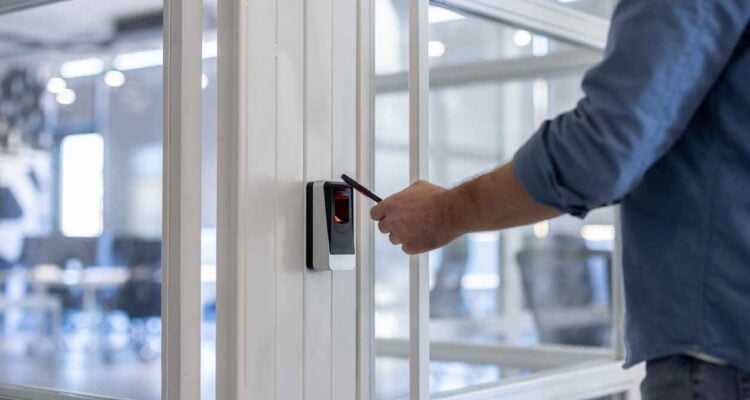
- Physical Security and Infrastructure: Command centers must feature reinforced physical structures, bullet-resistant glass, strict biometric access controls, and protected perimeter defense to keep operators and server infrastructure secure.
- Uninterruptible Electrical Power: Facilities must run redundant battery UPS units alongside automated diesel backup generators capable of powering continuous operations throughout extended regional blackouts.
- Telecommunications Redundancy: Multiple network pathways and diverse carrier entries ensure incoming alarm signals never hit a single point of failure.
- Continuous Vetted Staffing: Stations must maintain continuous 24/7 staffing with background-checked, professionally trained dispatch operators who process incoming alerts within strict target timeframes.
The Role of System Redundancy in UL 827 Compliance
In physical security, redundancy means having backup equipment automatically step in the instant a primary power line, server, or network connection freezes or loses signal. UL 827 treats redundancy not as an optional add-on, but as a mandatory foundation for central station certification.
Central station software continually monitors connection health across primary and secondary equipment. If a fiber optic line is severed or a storm disables local power, automated failover triggers within seconds to maintain continuous signal processing.
Key Operational Redundancy Requirements
UL 827 outlines precise technical thresholds for handling unexpected hardware or environmental failures:
- Instantaneous Power Transitions: When municipal grid power cuts out, heavy-duty UPS battery banks supply immediate power with zero reboot delay while on-site emergency generators auto-start.
- Multi-Carrier Signal Routing: Alarm receivers cannot rely on a single internet service provider or phone carrier. Dual-entry connections and diverse network routes keep signals moving freely.
- Geographically Diverse Backup Stations: Advanced UL standards require secondary monitoring facilities located far enough away that regional natural disasters will not impact both sites simultaneously. If a primary facility suffers a catastrophic loss, secondary centers take over active signal handling smoothly
How UL 827 Compliance Protects Your Integration Business
When business owners hire your integration firm to secure their facilities and protect their employees, they rely on your expertise to deliver dependable life safety solutions. Working with a certified monitoring partner provides several direct operational advantages for your integration business:
- AHJ Compliance: Local Authorities Having Jurisdiction (AHJs) frequently require commercial fire systems to report to certified UL Listed central stations.
- Liability Mitigation: Relying on uncertified monitoring leaves your integration firm exposed to severe legal liability if an unhandled signal fails during a crisis.
- Brand Reputation: Automated signal processing and quick dispatch reduce false alarm penalties while keeping your customer service ratings high.
- Multi-Path Support: Compliant stations process signals across cellular, IP, and mesh radio platforms, giving you total flexibility when spec’ing customer job sites.
Modern Communication Pathways and Central Station Receivers
A central station’s redundant infrastructure works hand-in-hand with the signal pathways you install on site. As traditional copper landlines phase out, implementing modern multi-path transmission ensures fast, compliant reporting.
1. IP Alarm Monitoring
IP communication delivers ultra-fast performance, often transmitting alarm signals from the client premises to dispatch receivers in 1 to 1.5 seconds. Central station platforms monitor these network connections constantly to alert you if a client’s local internet drops.
2. Cellular and GSM Monitoring
Cellular communicators serve as a reliable primary path or an essential backup whenever local broadband fails. Dual-source and single-source billing options allow integrators to quickly deploy cellular modules across major hardware lines like Honeywell, DSC, Alarm.com, Napco, and Bosch.
3. AES Mesh Radio Networks
For commercial fire and high-security municipal installations, AES Intellinet mesh radio networks offer self-healing signal routes. Mesh radio operates independently of public internet grids or cellular towers, delivering high reliability during severe regional storms.
Frequently Asked Questions
What is the difference between NFPA 72 and UL 827?
NFPA 72 regulates how fire alarm hardware is installed, tested, and maintained inside a building. UL 827 regulates the off-site central station facility that receives, processes, and dispatches responses to those incoming signals.
Do commercial fire systems require a UL 827 central station?
In most jurisdictions, local building codes and fire marshals (AHJs) mandate that commercial fire alarm systems report directly to a certified UL Listed central station to ensure immediate emergency dispatch.
How does a redundant central station handle power blackouts?
UL 827 centers utilize commercial UPS battery backups that maintain continuous power without interruption. Heavy-duty emergency generators engage automatically within seconds to run the entire facility throughout multi-day power outages.
Elevate Your Protection with Quick Response
Your security systems demand a monitoring partner that delivers uncompromising reliability and compliance. Headquartered in Cleveland, Ohio, Quick Response provides trusted, nationwide 24/7 wholesale alarm monitoring designed to serve as a seamless extension of your brand. From fire alarm monitoring and AI-assisted live video verification to cellular, IP, and AES mesh radio connectivity, our team delivers the UL-certified redundancy your clients count on.
Partner with a national leader in 24/7 alarm monitoring today. Request a custom quote for your business.

Related Posts